GSF: Mega Ships and Alliances Still a Challenge for Shippers
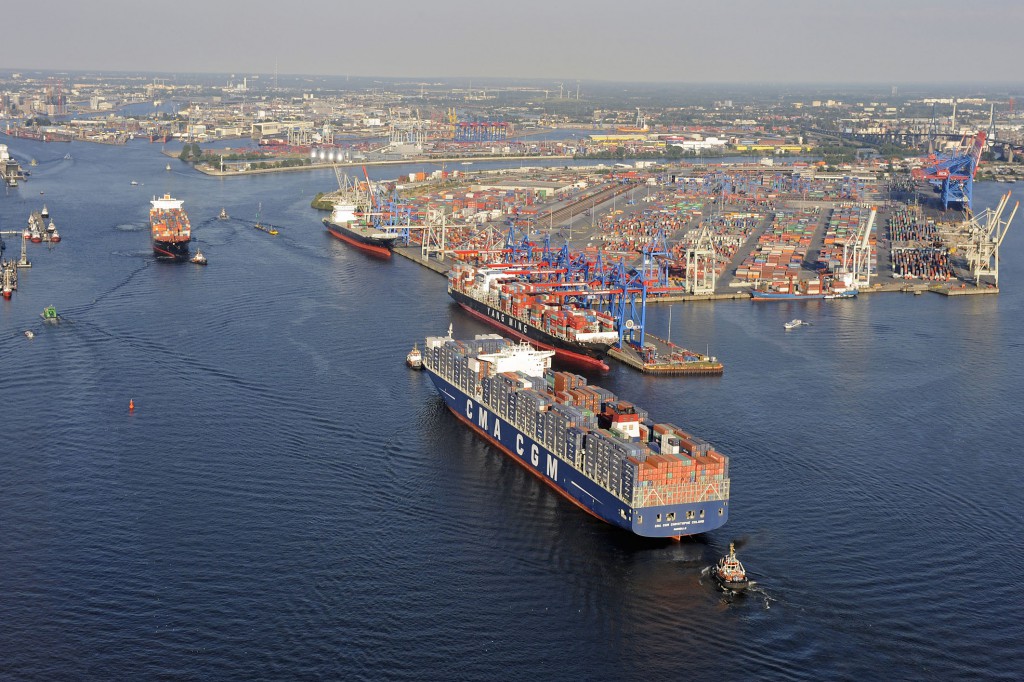 Image Courtesy: HHLA
Shippers continue to experience poor quality services and disruption to their supply chains since the consolidation of the world’s 20 top lines into 4 ‘super alliances’, the Global Shippers’ Forum (GSF) says, calling for urgent resolving of the issue.
In particular, the shippers are faced with bunching of vessels, void sailings and delays.
The disadvantages of the introduction of mega ships and alliances were voiced with the publication of the Organisation for Economic Co-operation and Development International Transport Forum’s report on ‘The Impact of Mega Ships’.
However, GSF claims that there has been no serious response by the shipping industry to the issues it identified - namely the wider external costs imposed by mega ships and alliances of others in the supply chain, including shippers, port and terminal operators and governments.
In addition, the report points to rise of supply chain risks, inadequate public policies and the possibility of rise of transport costs with the introduction of 24,000 TEU ships in 2020.
As a result, the GSF called for the establishment of a Maritime Industries Supply Chain Forum with an international character to discuss the challenges related to larger ships which are facing the shipping industry.
“The onus is on the shipping industry to demonstrate that the bigger ships and alliance business model is the best response to the economic and financial challenges faced by carriers but also adds value to customers. We believe cooperation between the main international stakeholders in a new maritime industries forum would enable the wider maritime supply chain to develop solutions to the problems presented by bigger ships and alliances in a constructive and consensual manner,” said Chris Welsh, Secretary General of GSF at the International Cargo Handling Co-ordination Association (ICHCA) international conference in Barcelona.
“The received wisdom is that bigger ships and alliances are good for competition because of the benefits they are said to confer. If the reality is that they add costs because of the negative externalities they impose on others, and if they restrict choice through reduced service competition, then other regulatory or competition policy approaches may be necessary to deal with the competition issues raised by mega vessels and alliances,” Welsh added.