Australian Govt Gives Go Ahead to Abbot Point Mega Coal Port
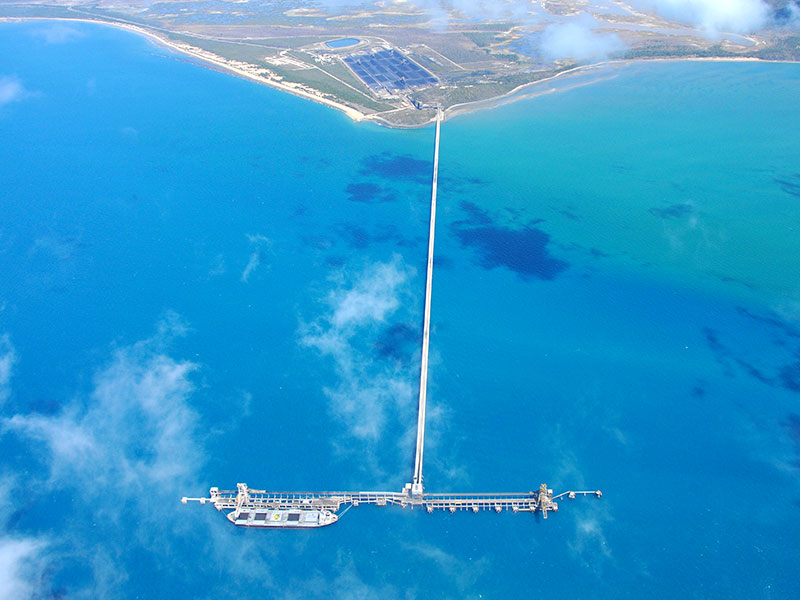 Image Courtesy: Kiwi/AMCS Collection
This morning the Australian Government announced the go ahead for Adani’s Abbot Point coal port on the country’s Great Barrier Reef coast, a move which is expected to make the port one of the world’s biggest coal ports.
The proposed action is expected to include capital dredging, onshore placement and reuse of dredge material at Abbot Point, approximately 25 km north of Bowen, North Queensland.
The activities are subject to 30 conditions of approval imposed by the government to help protect the environment and must be limited to dredging of no more than 1.1 million cubic metres of dredge material using a cutter suction dredge, among other conditions. In addition, the dredge material is required to be dumped on land instead of the reef.
Despite the said precaution measures, the environmentalists are not happy with the decision as they believe the project would harm the local wildlife and surrounds.
“Dredging 1 million cubic metres of seabed at Abbot Point is no way to look after our spectacular Reef, dugongs, turtles and snubfin dolphins - not to mention communities that rely on a healthy Reef for their livelihood,” the Australian Marine Conservation Society said in a reaction to the announcement.
The organization said it was working with the Environmental Defenders Office Queensland and other legal advisors on a legal challenge against the mega coal port at Abbot Point.
The conservation society had warned the Federal government that unless it stops approving new mega coal mines and authorising port expansions on the Great Barrier Reef, spending vast sums of money promoting the Great Barrier Reef could be wasted.
“It’s disappointing that the Minister has approved this project within the Great Barrier Reef World Heritage Area, despite the damage it will do,” WWF-Australia Reef Campaigner Louise Matthiesson said.
“To expand the port, 61 hectares of seabed will be ripped up creating 1.1 million cubic metres of dredge spoil.
“Damaging dredge plumes will be created harming sea grass and potentially reaching nearby coral reefs.”
“Although we’re pleased that the dredge spoil can no longer be dumped at sea, it’s not appropriate to place it beside an internationally significant wetland, when there are better locations available further inland,” she said.
The expanded terminal, being developed by the Adani Group, is aimed at boosting coal shipments to markets in Asia.
World Maritime News Staff