Panama Canal Looking to Amend Its Tolls Structure
 Image Courtesy: ACP
The Panama Canal Authority (ACP) has taken a step toward implementing modifications to its current tolls structure as its Board of Directors gave its nod to the changes on May 25, 2017.
“The proposed modifications safeguard the competitiveness of the waterway, the value of the route, and facilitates the Canal’s goal of providing an efficient and reliable service to the global shipping community,” Jorge L. Quijano, Panama Canal Administrator, said.
Following an evaluation and analysis of the comments received on the matter, and once any pertinent changes are incorporated in the proposal, the Cabinet Council of the Republic of Panama is set to officially approve the modifications.
The date for implementation of the modifications to the tolls structure is planned for October 1, 2017.
The approval comes on the back of a proposal for modifications published by the ACP, which signaled the beginning of a 30-day formal consultation period for industry feedback.
Over the past few months, Quijano and executives met with Canal customers and industry representatives in Europe, Asia and North America.
After analysing the feedback obtained during these meetings, and the current utilization and productivity of the Neopanamax locks, it was deemed necessary to provide additional incentives to the containership segment, the largest user of the Expanded Canal, to revise the tolls for liquefied petroleum gas (LPG) and liquefied natural gas (LNG) vessels, and to reclassify container/breakbulk vessels.
For the containership segment, the proposal offers more attractive rates per loaded containers on the return voyage, applicable only to those Neopanamax vessels deployed on the Canal route in the head and back haul legs. This also applies when the utilization rate of the northbound transit is higher or equal to 70 percent, and the time lapse between the northbound and the southbound transit is not greater than 25 days.
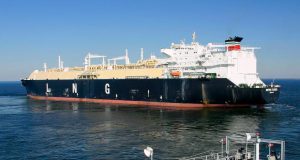
The proposal also modifies the tolls charged to LPG and LNG vessels, but keeps the units of measurement unchanged, as they have proven to be in accordance with industry standards.
In addition, this tolls proposal reassigns the vessels classified by the ACP as “container/breakbulk” into the “general cargo segment.” These vessels are currently part of the “others segment.”
“This reassignment will result in more attractive tariffs for customers in this category, as general cargo tolls are lower,” the ACP informed.