EU Develops Standard for Sustainable Ship Recycling
 Image Courtesy: Shipbuilding Platform
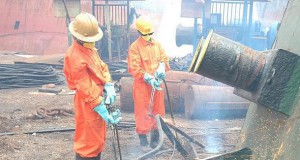
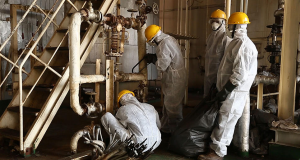
The European Commission (EC) has published a technical guidance for ship recycling facilities that want to be approved under the EU Ship Recycling Regulation. Such yards will need to ensure safe working conditions, pollution control including proper downstream waste management and enforcement of international labour rights.
This step comes together with the call by environmental and human rights NGOs for a relocation of ship recycling to platforms that can ensure sustainable practices.
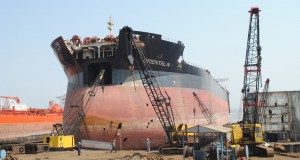
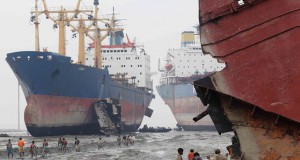
Ship recycling is an industrial activity that needs industrial methods, equipment and standards, according to the EU. Workers and the environment anywhere in the world have the same right to protection under the EU Regulation. Some Member States with strong shipping interests have tried to water down the requirements of the regulation, more specifically, to accept low-cost breaching facilities in South Asia as environmentally friendly and safe for workers, however, they have not been successful, according to the NGO Shipbreaking Platform.
“Recycling yards that want to make it on the EU list of approved facilities need to meet high environmental and safety standards. The EC is clear in its message: an unprotected beach is never going to be an appropriate place for a high-risk heavy industry involving hazardous waste management”, Ingvild Jenssen, Policy Director of the NGO Shipbreaking Platform points out.
The NGO Shipbreaking Platform says the EU list of approved ship recycling facilities is to become a global reference point for sustainable ship recycling.
“While only vessels sailing under an EU flag will be legally obliged to use an EU approved facility, any shipping company around the world with a responsible policy can use the EU listed facilities to prove their effort”, says Jenssen.
For ship owners, the list is to be a guarantee that their end-of-life vessels are not harmful to workers or the environment, according to the NGO Shipbreaking Platform.
Problems of inadequate shipbreaking practices, especially in Soth Asia are numerous. They include ships’ toxic wastes that harm to worker safety and the environment, along with poor work safety conditions and high death tolls due to explosions, fires, suffocation and other types of accidents.
The EC estimates that 40,000 to 1.3 million tonnes of toxins on board end-of-life vessels are exported each year to South Asia from the EU alone, according to the NGO Shipbreaking Platform.